Superfoods: Myth or Reality? A Scientific Perspective

"Superfoods" have become popular among athletes and health enthusiasts. But do these exotic ingredients improve endurance or muscle recovery, or is it just a marketing trick? Let's examine this question from a scientific perspective: Is it a myth or reality?
What Are Superfoods from a Scientific Perspective?
Superfoods are products with a high concentration of nutrients, including vitamins, antioxidants, proteins, and fatty acids. Popular superfoods include spirulina, chia seeds, and turmeric. However, science does not officially recognize this term due to a lack of standards. For example, according to a study by Food & Nutrition Research (2021), the effectiveness of many superfoods does not exceed the properties of regular products.
Scientific Breakdown: Superfoods and Their Impact on Training Results
1. Goji Berries vs Blueberries: Which Has More Antioxidants?
Goji berries are advertised as a source of vitamin C (50 mg per 100 g), while blueberries have a high ORAC index (300 mg of antioxidants per serving). Both options benefit athletes: vitamin C strengthens the immune system during intense workouts, and antioxidants accelerate muscle recovery. However, the cost of goji berries is, on average, three times higher than that of blueberries.
2. Turmeric for Reducing Post-Workout Inflammation
Curcumin has anti-inflammatory properties. A study in the Journal of Sports Science (2022) confirmed that consuming 500 mg of curcumin with black pepper reduces muscle soreness by 25%. However, its bioavailability increases due to piperine and when combined with fats (e.g., a smoothie with coconut milk).
3. Spirulina: Plant-Based Protein for Vegan Athletes
Spirulina contains 60-70% protein, ideal for muscle recovery. However, a serving (10 g) contains only 6 g of protein, while soy isolate has 25 g per serving. Additionally, spirulina contains iron, which improves oxygen transport during aerobic exercise.
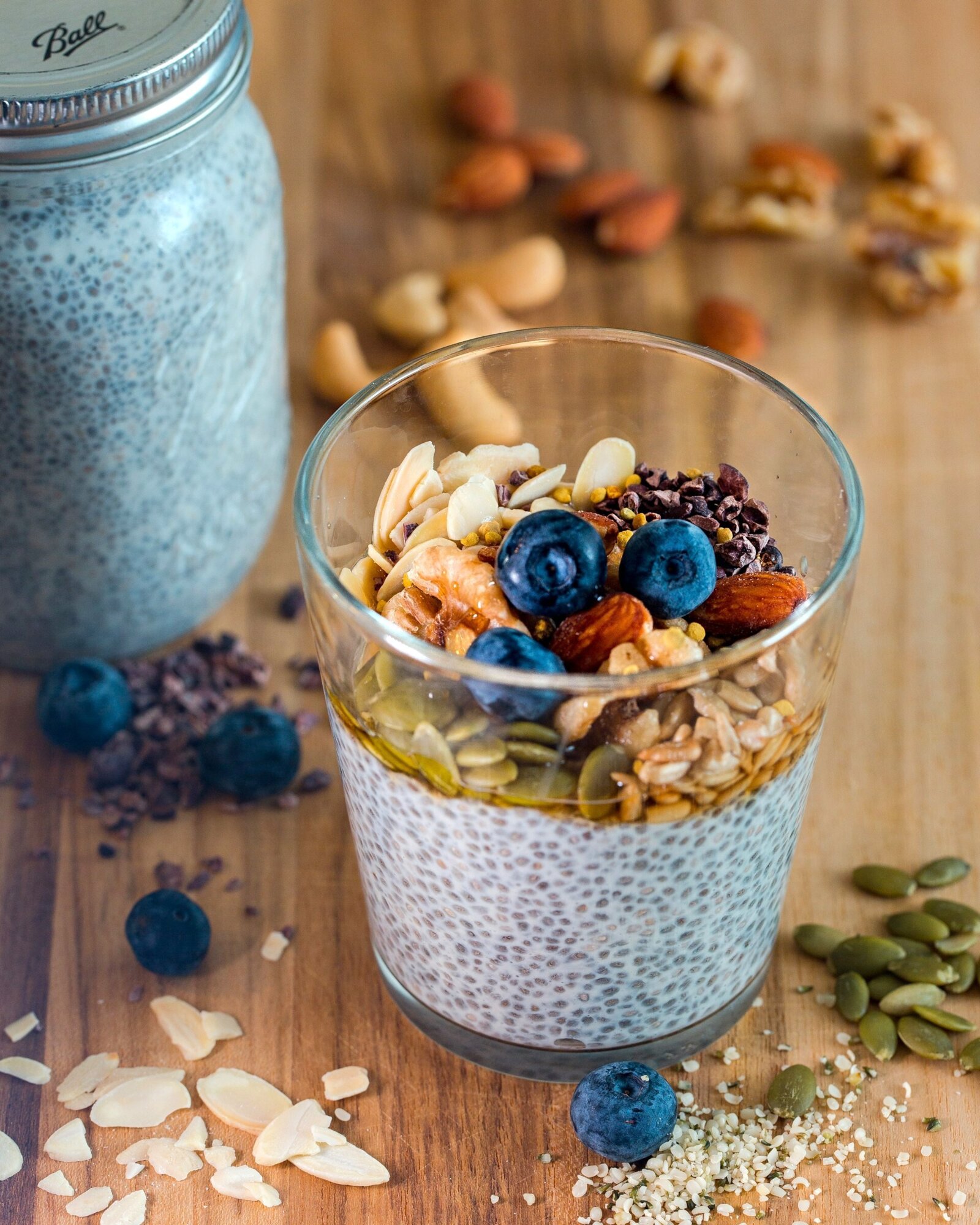
4. Chia for Energy During Long Workouts
Chia seeds are rich in omega-3 (4.9 g per 30 g), which reduces inflammation after strength exercises. But for quick energy replenishment, bananas are better, as their carbohydrates are more easily absorbed.
Debunking Myths: What Does Science Say About Superfoods?
- Myth: "Superfoods can replace sports nutrition."
Fact: According to the American Journal of Clinical Nutrition, no single product covers an athlete's needs. For example, the overall protein balance (1.6–2.2 g per kg of weight) is more important for muscle gain than individual superfoods. - Myth: "Exotic equals effectiveness."
Fact: Flaxseeds contain more omega-3 than chia (6.7 g vs 4.9 g per 30 g), and local apples are rich in quercetin, which strengthens blood vessels during cardio. - Myth: "Superfoods accelerate fat burning."
Fact: Only 15% of studies (Nutrition Reviews, 2023) confirm the link between superfoods and metabolism. For example, capsaicin in chili peppers can temporarily boost metabolism by 5%, but the effect is minimal without a calorie deficit.
How to Integrate Superfoods into a Sports Diet?
- For Endurance, Add a spoonful of honey and cinnamon to oatmeal before running. Carbs and antioxidants provide energy without sharp spikes in sugar levels.
- Post-Workout: A protein shake with spirulina (10 g) and pineapple—bromelain will reduce inflammation.
- Energy Drink Replacement: A mix of dates, chia, and coconut oil.
Superfoods Are a Supplement, Not a Panacea
Superfoods can improve your diet only with adequately calculated nutrition, training, and rest. Choose local alternatives, combine products, and remember: no goji berry can replace a systematic approach to sports.
Use unique apps to control your nutrition better. The article "Top 7 Free Apps for Healthy Eating and Calorie Counting" provides a list.




Юджин