High-Fiber Foods: The Complete List for Health, Fitness, and Weight Management
Dietary fiber is one of the most important — yet often overlooked — components of a healthy diet. Although the body does not digest fiber, it plays a critical role in digestive health, blood sugar regulation, cholesterol reduction, and long-term weight control.
According to recommendations from the World Health Organization and Harvard Health Publishing, adults should consume 25–35 grams of fiber per day, yet most people get only about half of that amount.
In this article, you’ll find a complete list of high-fiber foods, practical tips, and answers to popular search queries such as foods high in fiber, fiber for weight loss, and fiber for gut health.
What Is Fiber and Why Is It Important?
Dietary fiber consists of plant-based carbohydrates that the body cannot digest. Its benefits include:
- Improved bowel regularity
- support for healthy gut microbiota
- reduced LDL (“bad”) cholesterol
- stabilized blood sugar levels
- increased satiety and appetite control
Types of Fiber
- Soluble fiber — helps lower cholesterol and glucose (oats, apples, legumes)
- Insoluble fiber — supports digestion and bowel movement (vegetables, whole grains)
For optimal health, your diet should include both types of fiber.
Top 50 High-Fiber Foods
Vegetables (Fiber for Gut Health)
- Artichokes
- Broccoli
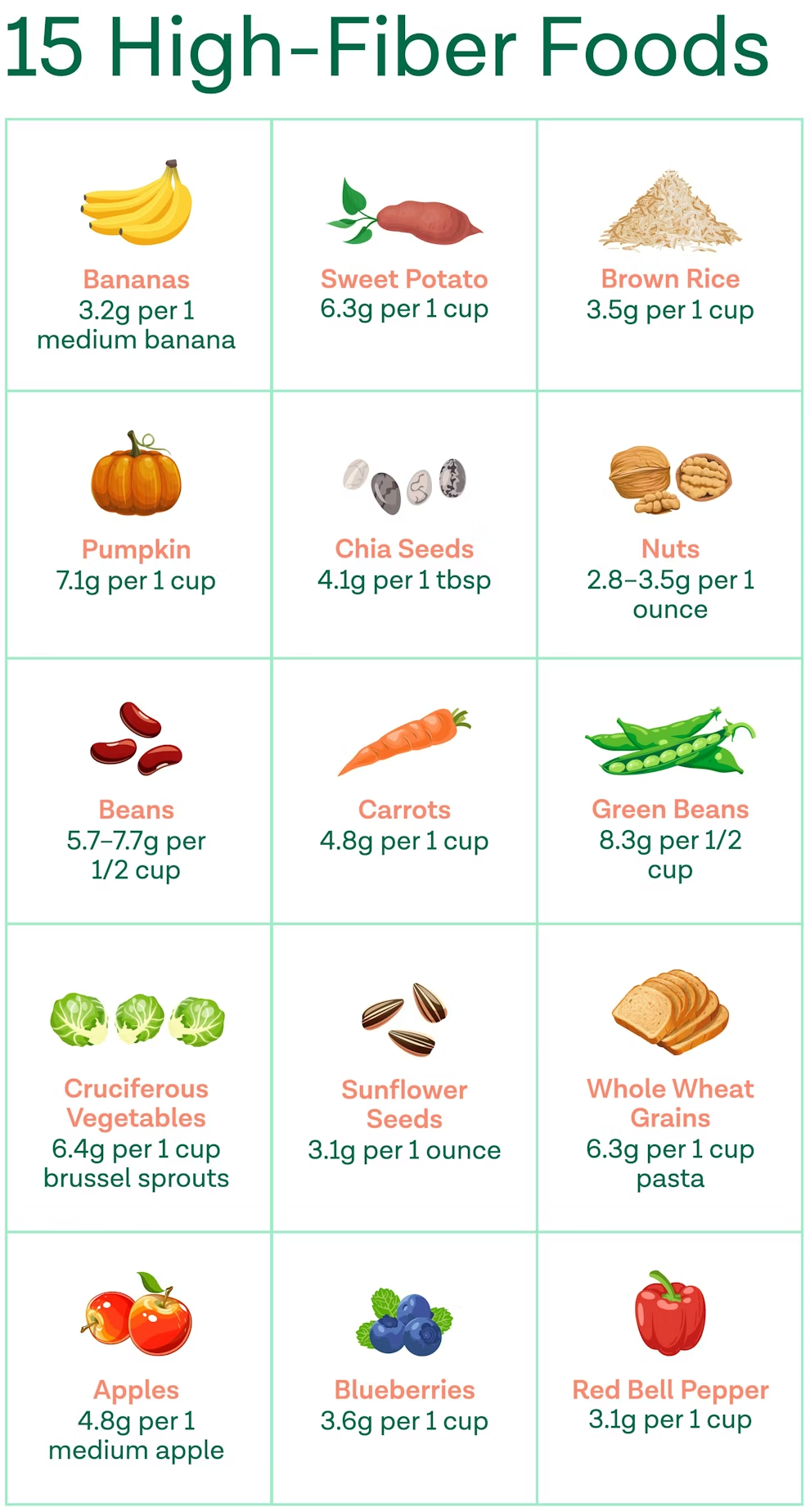
- Brussels sprouts
- Carrots
- Beets
- White cabbage
- Cauliflower
- Spinach
- Pumpkin
- Celery
Tip: Raw or lightly cooked vegetables retain the most fiber.
Fruits and Berries (Fiber-Rich Foods for Weight Loss)
- Raspberries
- Pears
- Apples with skin
- Avocados
- Blueberries
- Blackberries
- Oranges
- Kiwi
- Fresh figs
- Pomegranate
Tip: Whole fruits are better than juices because they preserve fiber content.
Legumes — Fiber Powerhouses
- Lentils
- Chickpeas
- Black beans
- Kidney beans
- Peas
- Soybeans
- Mung beans
Legumes provide both fiber and plant protein, making them ideal for fitness-focused diets.
Whole Grains
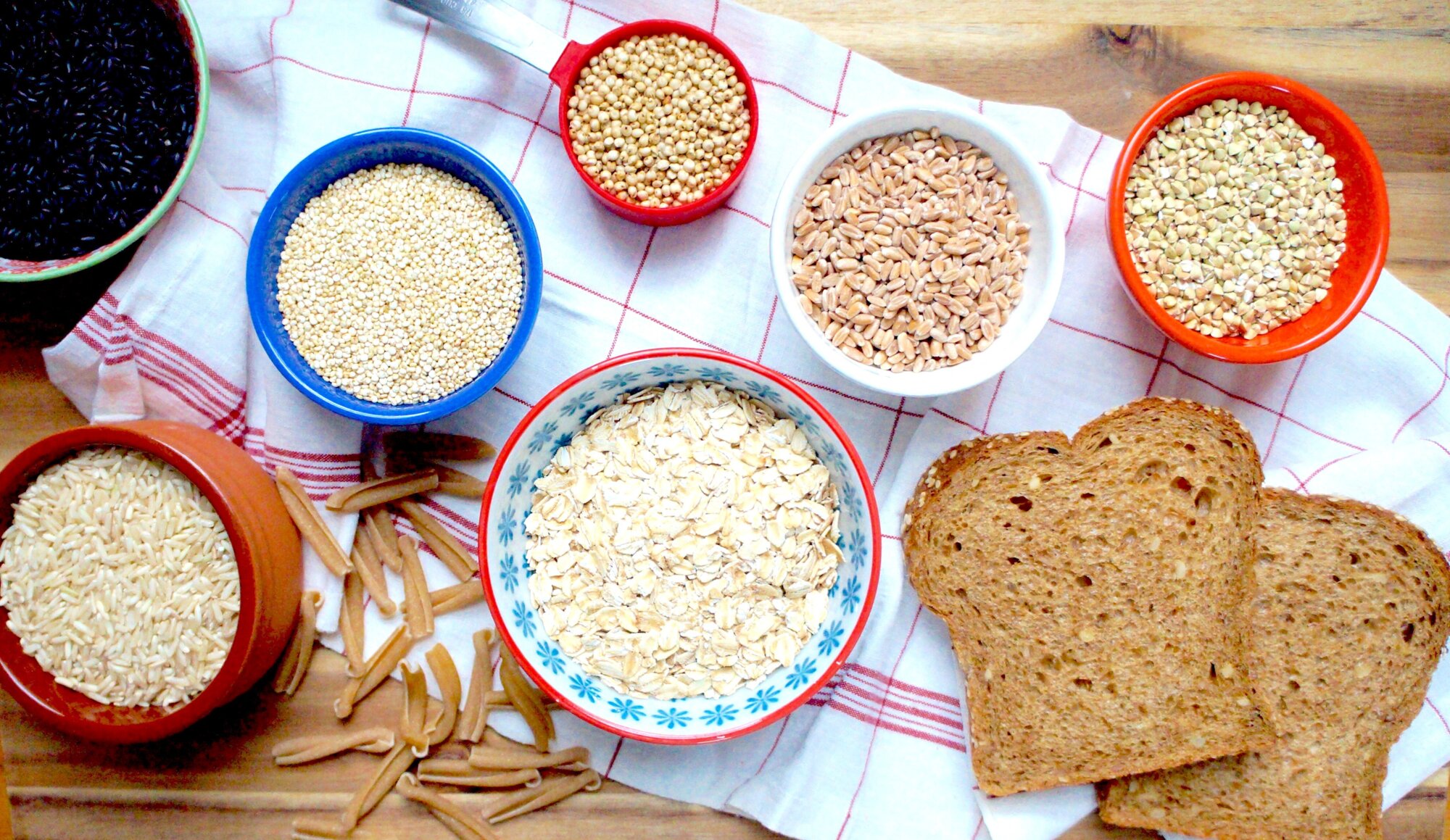
- Oat flakes (not instant)
- Pearl barley
- Buckwheat
- Quinoa
- Bulgur
- Brown rice
- Whole-grain rye bread
- Millet
Nuts, Seeds, and Superfoods
- Chia seeds
- Flaxseeds
- Almonds
- Walnuts
- Pistachios
- Pumpkin seeds
- Sunflower seeds
Just 1–2 tablespoons of seeds per day can significantly boost fiber intake.
Dried Fruits (in Moderation)
- Prunes
- Dried apricots
- Dates
- Raisins
- Dried figs
Other Fiber Sources
- Wheat bran
- Oat bran
- Psyllium husk
How Much Fiber Do You Need Per Day?
- Women: 25–30 g
- Men: 30–38 g
- Athletes: up to 40 g, depending on training load
Increase fiber intake gradually to avoid digestive discomfort.
How to Add Fiber to Your Diet Safely
- drink enough water (at least 1.5–2 liters daily)
- Combine different fiber sources.
- Increase intake gradually
- Avoid relying only on supplements.
Fiber and Fitness: Why It Matters
For physically active people, fiber helps:
- control appetite
- Maintain a stable energy level.s
- Improve digestion and recovery.
- Support healthy body composition.
Common Mistakes
- increasing fiber intake too quickly
- insufficient hydration
- excessive dried fruit consumption
- neglecting vegetables
Conclusion
Fiber is a foundation of healthy nutrition, effective weight management, and optimal digestive health. By including a wide variety of fiber-rich foods in your daily diet, you invest in long-term wellness, energy, and physical performance.
Vegetables, fruits, legumes, whole grains, nuts, and seeds should form the core of a balanced, fiber-rich eating plan — without extreme diets or restrictions.
FAQ: Common Questions About Fiber
How much fiber should I eat per day?
The recommended intake is 25–30 g for women and 30–38 g for men. Physically active individuals may need up to 40 g per day, provided they drink enough water.
Which foods contain the most fiber?
The highest-fiber foods include legumes (lentils, chickpeas, beans), chia and flaxseeds, bran, raspberries, avocados, and whole grains. Combining multiple food groups delivers the best results.
Can I get fiber only from supplements?
Fiber supplements can help, but they should not replace whole foods. Natural foods also provide vitamins, minerals, and antioxidants that supplements lack.
Why does fiber sometimes cause bloating?
Bloating usually occurs due to rapid increases in fiber intake or insufficient water consumption. Increase fiber gradually and drink at least 1.5–2 liters of water daily.