15-Minute Home Workout for Weight Loss: An Effective Solution for Busy Schedules
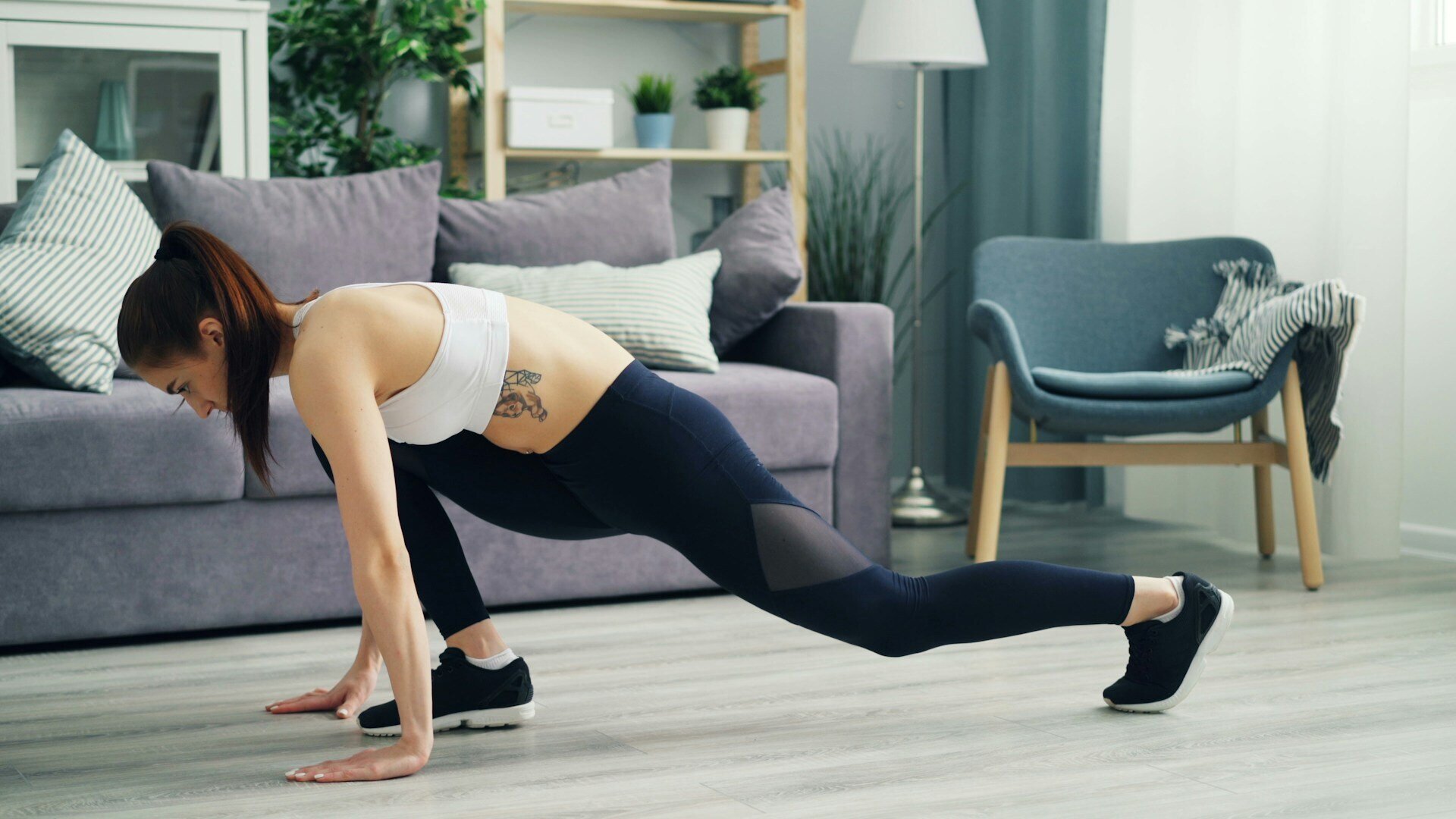
Losing weight doesn’t require long hours at the gym. Modern exercise science shows that short, high-intensity workouts can be just as effective for fat loss as longer training sessions. With the proper structure, 15 minutes a day is enough to boost metabolism, elevate heart rate, and activate fat-burning processes.
This article explains how to lose weight at home in 15 minutes, which exercises work best, and how to avoid common mistakes.
Why a 15-Minute Workout Works for Weight Loss
The key is interval-based training (HIIT or circuit training):Keepss heart rate elevated
- engages large muscle groups
- triggers the afterburn (EPOC) effect
- saves time without sacrificing results
According to global physical activity guidelines, even short daily workouts significantly reduce the risk of obesity and metabolic disorders.
How to Train at Home for Weight Loss Effectively
1. Choose an interval format
Work for 30–40 seconds, rest for 10–20 seconds.
2. Perform exercises continuously
Complete one full circuit without long breaks.
3. Always warm up and cool down
Spending 2–3 minutes before and after training reduces injury risk.
15-Minute Home Weight Loss Workout Plan
Format: 3 rounds
Work: 40 sec
Rest: 20 sec
Warm-Up (3 minutes)
- marching or jogging in place
- shoulder circles
- torso twists and bends
- light squats
Main Workout Circuit
1. Squats with Arm Raises
Muscles: legs, glutes, core
Tip: keep your back straight and knees behind toes.
2. Modified Burpees
Muscles: whole body + cardio
Alternative: step back instead of jumping.
3. Plank Shoulder Taps
Muscles: core, shoulders, stabilizers
Tip: Avoid rocking your hips.
4. Reverse Lunges
Muscles: legs, glutes
Tip: control the movement and maintain balance.
5. Mountain Climbers
Muscles: core + cardio
Tip: keep your body in a straight line.
6. Jumping Jacks
Goal: raise heart rate
Tip: breathe steadily, don’t hold your breath.

Cool-Down (2–3 minutes)
- stretch legs
- Stretch back and shoulders
- deep breathing
How Often Should You Train for Weight Loss?
- Beginners: 3–4 times per week
- Intermediate: 4–5 times per week
- Advanced: up to 6 times per week
Consistency matters more than intensity.
Trainer Tips for Faster Results
- train at the same time each day
- Drink water before and after workouts
- Combine training with a calorie deficit
- Sleep at least 7 hours per night
- Never skip the cool-down

Common Home Workout Mistakes
- skipping warm-up
- moving too fast with poor technique
- training through pain
- expecting instant results
- ignoring nutrition
Conclusion
A 15-minute home workout for weight loss is a realistic and practical way to reduce body fat, improve fitness, and maintain muscle tone. Short, intense sessions fit easily into any schedule and deliver real results when performed consistently.
The key factors are regularity, proper technique, and a balanced lifestyle.
FAQ: Frequently Asked Questions
Can I really lose weight with just 15 minutes of exercise per day?
Yes. When done regularly and combined with proper nutrition, short high-intensity workouts can effectively promote fat loss.
Is it better to work out in the morning or evening?
The best time is the one you can stick to consistently. Both morning and evening workouts are equally effective.
Should I train on an empty stomach?
Not necessarily. Many people feel better after drinking water or having a light snack before training.
When will I see results?
You may notice improved energy within 1–2 weeks. Visible physical changes typically appear after 3–4 weeks of consistent training.
If your goal is to burn fat, improve your shape, and increase endurance, you may face the question: HIIT or traditional cardio? Both methods are effective, but they affect the body, heart, and hormonal system differently. Let’s explore the differences between these approaches, who each format suits, how to combine them, and how fitness apps can help make your workouts structured and trackable. Read more in the article "HIIT vs. Cardio: Which to Choose for Fat Loss".