How to treat a callus at home

An active lifestyle, regular exercise, and outdoor walks are the key to good health. However, intense physical activity, wearing special sports shoes, or even simply prolonged running can lead to the appearance of calluses. Calluses on the feet not only cause pain but can also affect your activity, making movement difficult. Therefore, it is important to know how to treat a callus properly, especially if it is a core callus, a callus on the toe, or a callus on the foot.
In this article, we will look at effective methods for getting rid of calluses at home so you can return to your favorite activities without discomfort.
Causes of calluses
The main factors that contribute to the formation of calluses are:
- Improperly fitted footwear.
Too tight or, conversely, too large footwear causes excessive pressure or friction. This is especially common with shoe models that have narrow toes or high heels. - Prolonged load on the feet.
Constant walking, running, or sports training, especially without proper foot protection, significantly increases the risk of callus formation. This often applies to athletes, tourists, or people who work while standing. - Foot structure features.
Flat feet, high arches, toe deformities, or uneven weight distribution on the feet lead to excessive friction in certain areas of the skin. - Excessive sweating.
A moist environment creates ideal conditions for skin rubbing, especially when wearing synthetic socks or closed shoes without ventilation. - Neglected skin.
Dry, cracked skin is more prone to damage, which promotes callus formation. Lack of regular care, such as moisturizing or removing dead skin cells, can worsen the situation. - Working in special conditions.
People working in harsh conditions, where protective footwear is required (such as construction workers or military personnel), often experience calluses due to the specific load on their feet.

Types of calluses and how to treat them
Blister callus
This is a blister filled with clear or bloody fluid that forms due to strong friction between the skin and footwear. It usually occurs on the heels, toes, or other areas exposed to constant friction.
How to treat:
- Hygiene. Gently wash the callus with warm water and soap to prevent infection.
- Protection. Apply a special plaster for wet calluses. It will reduce pain and help with healing.
- Treating the damaged callus. If the callus bursts, do not remove the remaining skin, as it protects the open wound. Treat the affected area with an antiseptic (such as chlorhexidine or hydrogen peroxide) and apply a sterile bandage.
- Medical help. If signs of infection appear (redness, swelling, pain), consult a doctor.
Dry callus
This is a hardened, rough area of skin that forms due to prolonged pressure or friction. Dry calluses most often form on the soles or toes.
How to treat:
- Foot bath. Dissolve 1 tbsp of baking soda and 1 tbsp of sea salt in warm water. Soak your feet in the solution for 15–20 minutes. This will help soften the skin.
- Softening agents. Apply salicylic ointment or urea-based cream to the callus, which softens hardened skin.
- Mechanical removal. After the bath, gently treat the callus with a pumice stone or foot file, but avoid aggressive rubbing.
- Repeat the procedure. Perform this procedure 1–2 times a week until the callus is completely removed.
Core callus
The feature of this callus is the core (stem) that penetrates deep into the skin, causing intense pain. It most often forms on the toes or soles.
How to treat:
- Pharmacy products. Use plasters with salicylic acid, which help soften the core of the callus.
- Foot baths. Soak your feet in a baking soda (2 tsp per 1 liter of water) and soap solution to help soften the callus.
- Professional removal. If home methods are ineffective, consult a dermatologist. The doctor may use a special instrument, laser, or cryotherapy to remove the callus.
Callus corns (Nattoptysh)
These are large areas of hardened skin that form due to constant pressure or wearing uncomfortable footwear. Callus corns usually appear on the forefoot, under the toes, or on the heels.
How to treat:
- Relaxing foot baths. Add a few drops of essential oils (lavender, tea tree) to warm water to soften the skin. Soak your feet for 15–20 minutes.
- Urea-based creams. Regularly apply creams or ointments that soften and moisturize rough skin.
- Mechanical treatment. After soaking the skin, use pumice or a special foot file to remove the upper layer of hardened skin.
- Orthopedic insoles. Choose insoles that evenly distribute pressure on the foot to prevent the reformation of callus corns.
- Shoe changes. Opt for shoes with soft insoles, a wide toe box, and good cushioning.
Today, more and more people are turning to healthy eating to improve their quality of life and maintain their health. Mixsport, in the article "TOP-7 most popular diets in the world: features, history, and beneficial substances", discusses the seven most popular diets that have gained recognition due to their effectiveness and health benefits.
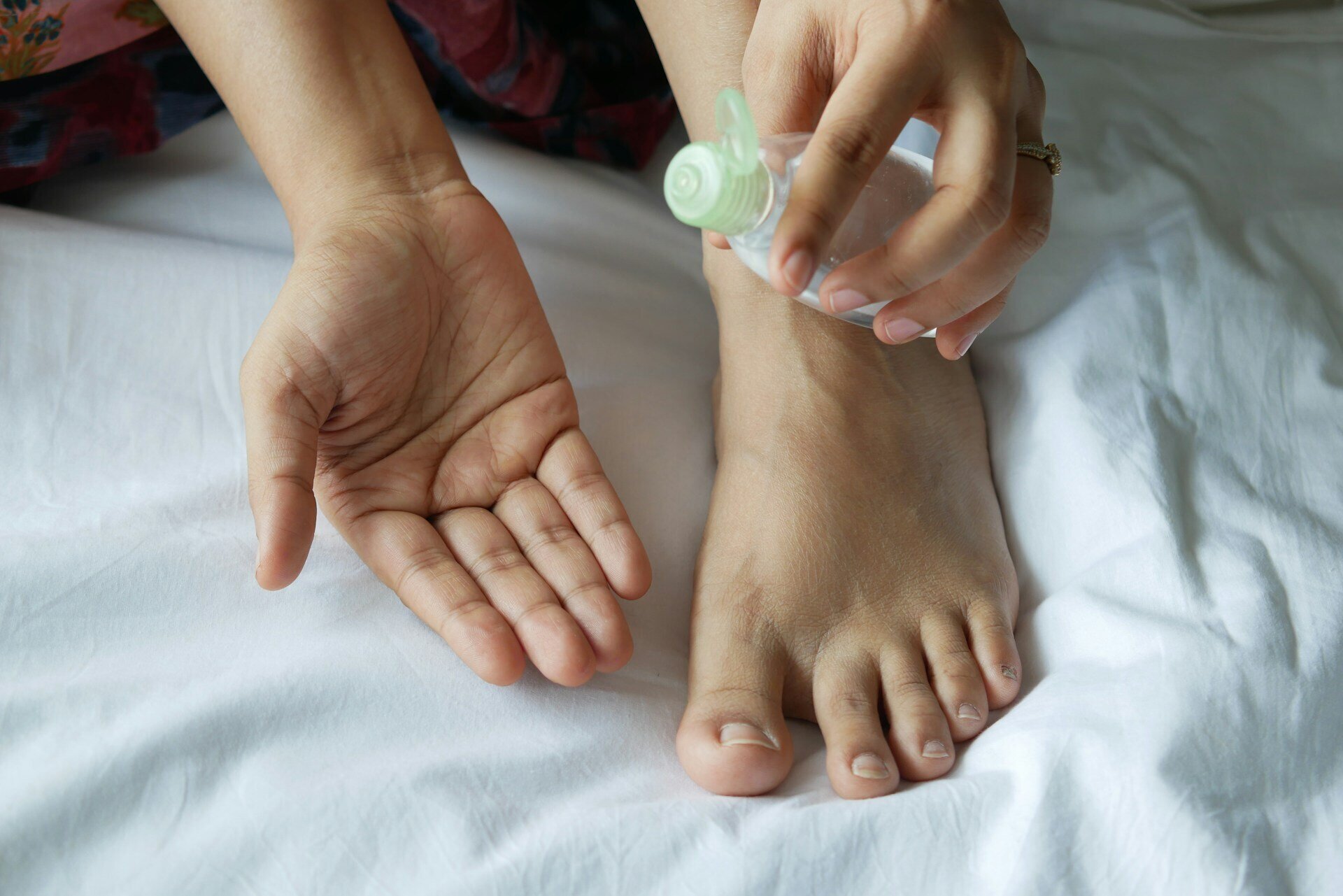
Effective folk methods for treating calluses
Aloe compress
Aloe is known for its healing and softening properties, making this method effective for treating both wet and dry calluses.
How to apply:
- Take a fresh aloe leaf, wash it, and cut it in half lengthwise to expose the flesh.
- Apply the flesh to the affected area.
- Secure the leaf with a bandage or plaster to keep it in place.
- Leave the compress overnight. In the morning, remove the bandage and gently treat the callus with pumice if it has softened.
- Repeat the procedure daily until the callus disappears.
Garlic paste
Garlic has antiseptic and antifungal properties, making it effective for treating calluses, especially those prone to infection.
How to apply:
- Peel a garlic clove and grate it finely or crush it in a garlic press.
- Apply the resulting paste to the callus, placing it on a piece of gauze or directly on the skin.
- Secure it with film or plaster to keep the garlic in place.
- Leave the compress for 1–2 hours.
- After the procedure, wash the skin thoroughly with warm water to remove any garlic residue, and apply a moisturizing cream.
- Do not leave garlic on the skin for too long, as it can cause irritation.
Potato mask
Raw potatoes have anti-inflammatory properties and help reduce swelling and pain. Their juice helps soften rough skin.
How to apply:
- Peel a raw potato and grate it finely.
- Place the resulting mass on a sterile gauze or cloth and apply it to the callus.
- Secure it with film or plaster, and wear a sock over it for fixation.
- Leave the compress overnight.
- In the morning, remove the potato residue and gently treat the callus with pumice or a foot file.
Lemon peel
Lemon peel contains natural acids that help soften calloused skin.
How to use:
- Cut a small piece of lemon peel large enough to cover the callus.
- Place the peel with the inner side against the callus.
- Secure with a plaster or bandage.
- Leave the compress overnight.
- In the morning, remove the lemon peel and treat the skin with pumice.
Vegetable oil
Oil moisturizes and softens the skin, making it suitable for both the prevention and treatment of dry calluses.
How to use:
- Choose a natural vegetable oil (olive, coconut, flaxseed, or sunflower oil).
- Before bedtime, apply a small amount of oil to the callus, gently massaging it into the skin.
- Wear clean cotton socks to allow the oil to penetrate the skin overnight.
- In the morning, wash your feet with warm water and, if necessary, treat the skin with pumice.
Onion
Onions, particularly their peel, are known for their healing properties that help soften calluses and corns.
How to use:
- Place the onion peel in a jar and add 5 tablespoons of vinegar.
- Let the mixture steep for two weeks in a dark place.
- After that, strain the liquid and apply the onion peel to the callus.
- Bandage it and leave overnight.
- In the morning, soak your feet in warm water and gently remove the corn or callus.
- Repeat the procedure until fully healed.
Fig
Fig contains fruit acids that effectively soften calloused areas of the skin, helping to quickly get rid of calluses.
How to use:
- Soak your feet in hot water, then gently dry them.
- Cut a ripe fig in half and place it on the affected area.
- Secure the fruit with a bandage and leave overnight.
- In the morning, soak your feet again and gently remove the callus.
- Repeat the procedure until the callus is completely gone.
Prunes
Prunes cooked in milk are an excellent remedy for softening calluses and corns due to their softening properties.
How to use:
- Cook pitted prunes in milk until soft.
- Carefully apply the softened prunes to the problematic area on the foot.
- You can leave it for a couple of hours or overnight.
- In the morning, gently scrape off the callus.
- For better results, repeat the procedure several times.
Regular use of these methods, combined with proper foot care, will effectively help manage calluses and prevent their reformation.
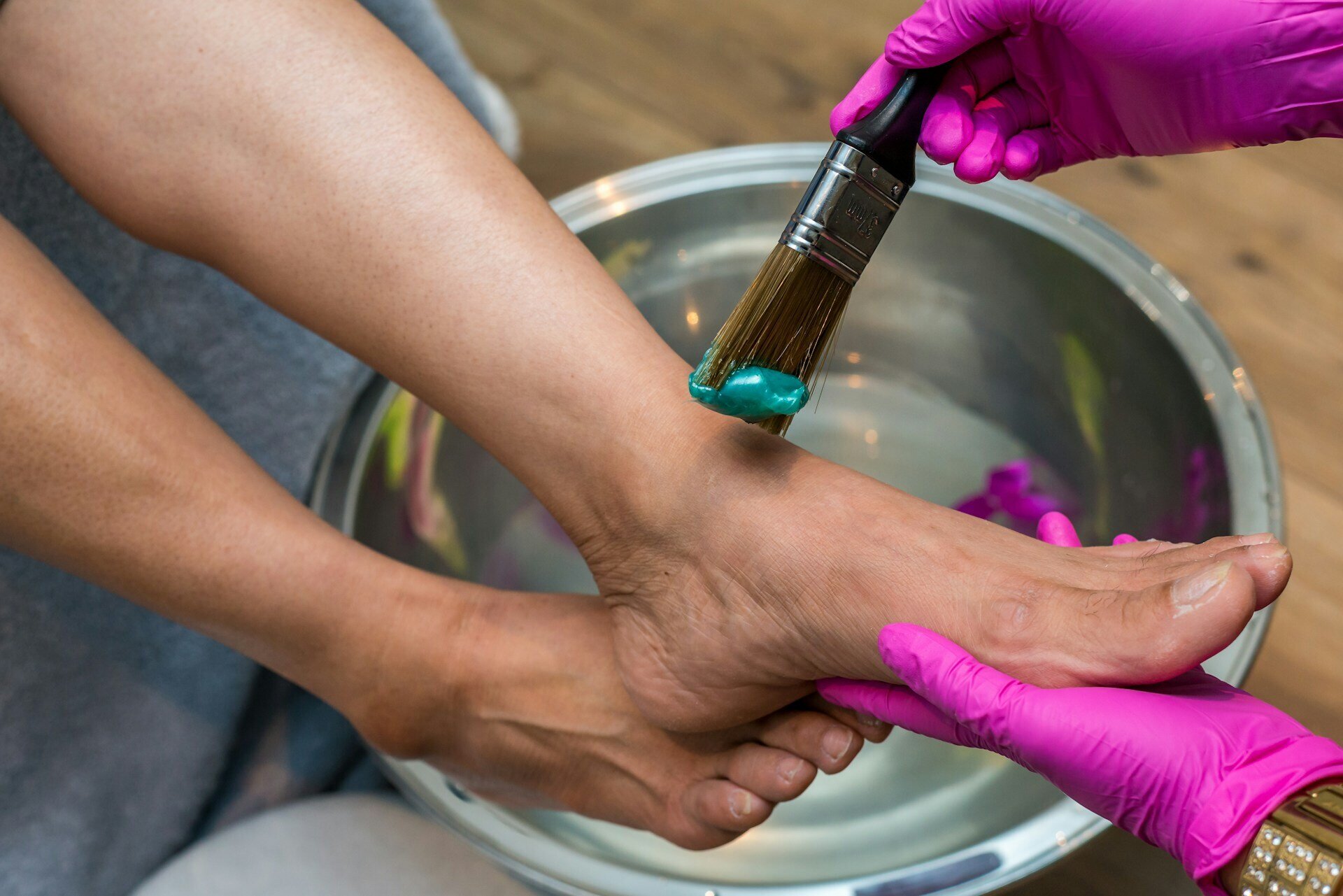
How to prevent the appearance of calluses
Choose the right shoes
Ill-fitting shoes are one of the main causes of callus formation, so pay attention to the choice of each pair.
Recommendations:
- Choose shoes in the correct size: shoes that are too tight or too loose can cause friction and pressure.
- Pay attention to the material. Natural leather or fabrics adapt better to the shape of the foot than synthetic materials.
- Avoid rigid seams and protrusions inside the shoes.
- For sports footwear, choose models with cushioning and foot support.
- If you must wear heels, choose models with a wide sole and a low heel.
Use foot antiperspirants
Excessive sweating creates a moist environment that increases the risk of callus formation due to increased friction.
Recommendations:
- Use special foot antiperspirants that reduce sweating and keep the skin dry.
- Apply the product to clean, dry feet before leaving the house.
- For additional protection, choose shoes with well-ventilated inserts.
- You can use foot talcum powder to help absorb moisture throughout the day.
Wear socks made of natural materials
Synthetic socks often do not provide adequate ventilation, causing irritation.
Recommendations:
- Choose socks made from cotton, linen, or other natural fabrics that allow the skin to breathe.
- For sports activities, choose socks made from special materials that wick moisture away and reduce friction.
- Make sure the socks fit well on your feet and do not bunch up while moving.
- Change socks regularly, especially if your feet sweat.
Use special insoles
An improper distribution of pressure on the foot while walking or standing can lead to the formation of calluses.
Recommendations:
- Choose orthopedic insoles that provide proper foot support and even weight distribution.
- Use gel pads and insoles to reduce friction and cushion impacts while walking.
- If you have flat feet or other orthopedic issues, consult a doctor to select custom insoles.
- Regularly check the condition of the insoles: after prolonged use, they may lose their effectiveness.
Care for the skin of your feet regularly
Well-maintained skin is less prone to callus formation because it remains elastic and strong.
Recommendations:
- Apply foot cream with urea or natural oils daily to prevent dry skin.
- Once a week, use scrubs or special brushes to remove dead skin cells.
- Soak your feet in warm baths with added baking soda, sea salt, or essential oils for relaxation and softening of the skin.
- Take care of your nails, trimming them straight to avoid ingrown nails and injury.
- After soaking, give your feet a gentle massage to improve blood circulation and relieve tension.
By following these recommendations, you can prevent the formation of calluses, maintain healthy foot skin, and ensure comfort during any activity.
Calluses are an unpleasant but solvable problem that can be easily treated at home. By following simple recommendations and using proven methods, you can quickly get rid of calluses and prevent their formation in the future.
For healthy and smooth skin, maintaining a balance of vitamins is essential, especially B vitamins, which promote skin healing and regeneration. To learn more about the role of these vitamins in supporting health, read the article "B Vitamins: The Key to Health and Energy".